
Acupuncture for Depression

What is Acupuncture?
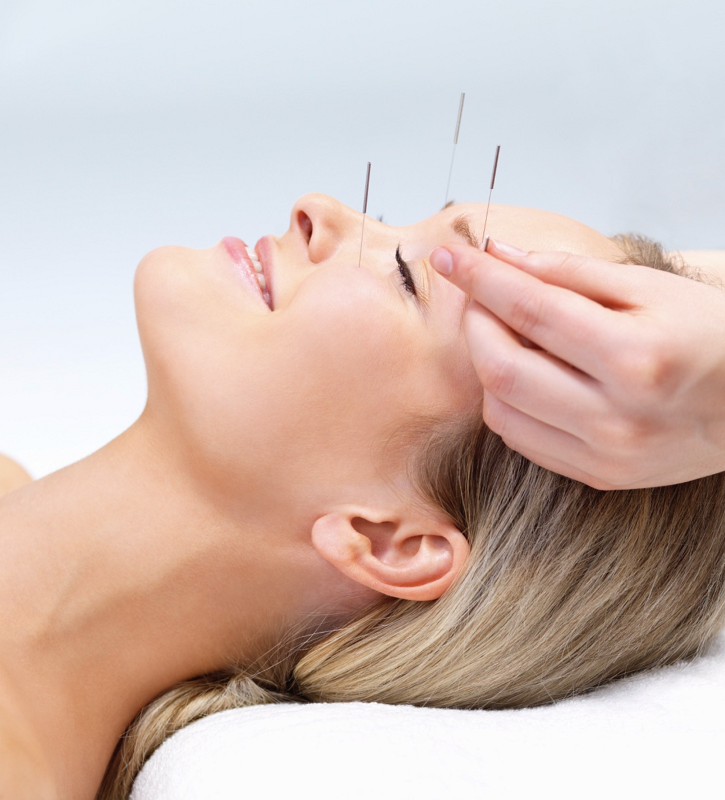
Acupuncture is a holistic therapy that aims to restore balance to the body and mind by stimulating specific points on the body. According to traditional Chinese medicine, the body has a vital energy, or "qi," that flows through it along specific pathways, or "meridians." When the flow of qi is disrupted, it can lead to a range of health problems, including depression. Acupuncture involves the insertion of fine needles into specific points along the meridians to restore the flow of qi and promote healing.
How Acupuncture Works for Depression
Acupuncture is thought to work for depression by stimulating the release of neurotransmitters, such as serotonin and dopamine, which play a crucial role in regulating mood. To understand this process better, it's essential to learn about the basics of acupuncture and meridians which can help clarify how this traditional practice affects the body. Acupuncture may also help to reduce stress and anxiety by stimulating the body's natural relaxation response. Additionally, acupuncture may help to improve sleep quality, which is often disrupted in people with depression. While the exact mechanisms by which acupuncture works for depression are not fully understood, research suggests that it may be a useful complementary therapy for people with depression. Visit https://themeridianconnection.com/blog/meridian-basics/understanding-acupuncture-and-meridians to understand how meridians support energy balance.
Benefits of Acupuncture for Depression
The benefits of acupuncture for depression are numerous. Some of the potential benefits include:
Reduced Symptoms
Acupuncture may help to reduce symptoms of depression, such as feelings of sadness, hopelessness, and loss of interest in activities. Research has shown that acupuncture can be as effective as medication in reducing symptoms of depression, and may be a useful alternative for people who do not respond to conventional treatments.
Improved Mood
Acupuncture may help to improve mood by stimulating the release of neurotransmitters, such as serotonin and dopamine. This can help to reduce feelings of anxiety and stress, and promote a sense of calm and well-being.
Enhanced Sleep Quality
Acupuncture may help to improve sleep quality, which is often disrupted in people with depression. This can help to reduce fatigue, improve concentration, and enhance overall quality of life.
What to Expect from Acupuncture Treatment
If you are considering acupuncture for depression, it is helpful to know what to expect from treatment. A typical acupuncture session will involve an initial consultation with a licensed acupuncturist, who will assess your overall health and diagnose any underlying patterns of disharmony. The acupuncturist will then insert fine needles into specific points on the body, which may be left in place for 15-30 minutes. You may feel a mild sensation, such as a pinch or a tingling feeling, when the needles are inserted, but this should not be painful. After the treatment, you may feel relaxed and calm, and may notice an improvement in your symptoms over time.
Finding a Qualified Acupuncturist
If you are considering acupuncture for depression, it is essential to find a qualified and licensed acupuncturist. Look for an acupuncturist who is certified by a reputable professional organization, such as the National Certification Commission for Acupuncture and Oriental Medicine (NCCAOM). You can also ask for referrals from friends, family members, or healthcare professionals. It is also helpful to research the acupuncturist's credentials and experience, and to read reviews from other patients.
Risks and Side Effects
While acupuncture is generally considered to be safe, there are some potential risks and side effects to be aware of. These may include:
Pain or Discomfort
You may feel a mild sensation, such as a pinch or a tingling feeling, when the needles are inserted. However, this should not be painful, and you should tell your acupuncturist if you experience any discomfort.
Bleeding or Bruising
There is a small risk of bleeding or bruising at the needle site, but this is rare and usually minor.
Infection
There is a small risk of infection with acupuncture, but this can be minimized by using sterile needles and following proper hygiene procedures.
Conclusion
Acupuncture is a promising complementary therapy for depression that may help to reduce symptoms, improve mood, and enhance sleep quality. While the exact mechanisms by which acupuncture works for depression are not fully understood, research suggests that it may be a useful alternative or adjunct to conventional treatments. If you are considering acupuncture for depression, it is essential to find a qualified and licensed acupuncturist, and to be aware of the potential risks and side effects.
FAQs
What is the cost of acupuncture treatment?
The cost of acupuncture treatment can vary depending on the location, experience, and qualifications of the acupuncturist. On average, a single session can cost between $60-$120.
How many sessions do I need to see results?
The number of sessions needed to see results can vary depending on the individual and the severity of their symptoms. Typically, a course of treatment will involve 6-12 sessions, spaced 1-2 weeks apart.
Is acupuncture covered by insurance?
Some insurance plans may cover acupuncture treatment, but this can vary depending on the plan and the provider. It is best to check with your insurance provider to see if acupuncture is covered.
Can I use acupuncture in conjunction with other treatments?
Yes, acupuncture can be used in conjunction with other treatments, such as medication and therapy. In fact, many people find that acupuncture enhances the effectiveness of these treatments, and can help to reduce side effects.
Are there any age restrictions for acupuncture?
No, there are no age restrictions for acupuncture. Acupuncture can be used to treat people of all ages, from children to older adults. However, it is essential to find a qualified and licensed acupuncturist who has experience working with your age group.